


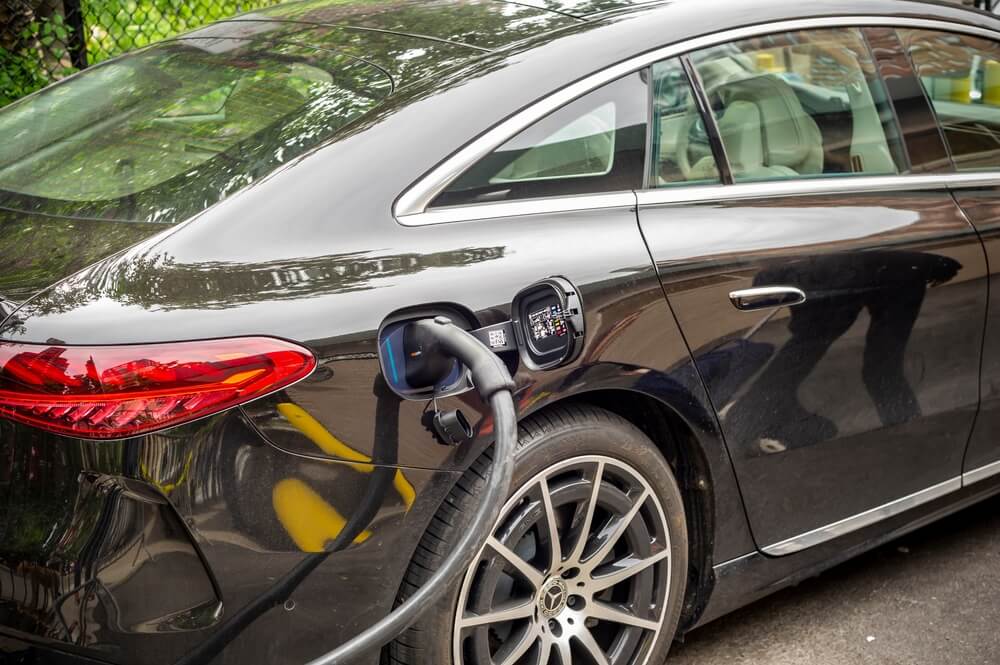
The EV charger installation cost in Los Angeles can vary widely depending on the type of charger, the condition of the property’s electrical system, permitting requirements, site layout, and the number of charging stations being installed. For many commercial properties, a basic Level 2 EV charger installation may start in the low thousands, while larger projects with multiple chargers, panel upgrades, trenching, load management, or DC fast charging equipment can reach tens of thousands of dollars or more. Because Los Angeles has a high demand for electric vehicle infrastructure, businesses are increasingly investing in charging stations to better serve customers, tenants, employees, and guests.
For hotels, restaurants, multifamily properties, office buildings, retail centers, and other commercial facilities, EV chargers are more than a convenience. They are becoming part of a modern property experience. Drivers are looking for places where they can park, shop, dine, work, or stay while charging their vehicles. For business owners and property managers, installing EV chargers can improve customer satisfaction, support sustainability goals, and help a property stay competitive in a changing market.
Average EV Charger Installation Cost in Los Angeles
While every project is different, businesses can generally expect commercial EV charger installation costs in Los Angeles to fall into a few broad categories. A single Level 2 charger may cost less than a large multi-station installation, but the final price depends heavily on site conditions and electrical capacity.
Typical cost ranges may include:
- Level 2 commercial charger installation: Often ranges from several thousand dollars per charger, depending on wiring distance, panel capacity, hardware, and mounting requirements.
- Multiple Level 2 charging stations: May cost significantly more because of added electrical infrastructure, conduit, permitting, labor, networking, and site preparation.
- DC fast charger installation: Usually requires a much larger investment due to higher power demands, specialized equipment, utility coordination, and potential service upgrades.
- Panel upgrades or electrical service upgrades: Can add thousands of dollars to the project if the existing system cannot safely support the new load.
- Trenching, concrete work, or parking lot modifications: Can increase costs when chargers are installed far from the electrical source or require underground conduit.
A small commercial installation may be relatively straightforward if the electrical panel has available capacity and the chargers are located close to the power source. A larger project at a hotel, shopping center, parking structure, or multifamily property may require more planning, engineering, and coordination.
What Factors Affect EV Charger Installation Cost?
The biggest reason EV charger installation pricing varies is that the equipment is only one part of the project. The charger itself matters, but the electrical infrastructure behind it often has the greatest impact on total cost.
Key factors include:
- Charger type and power level: Level 2 chargers are common for workplaces, hotels, apartments, and retail properties. DC fast chargers deliver much faster charging but require more power and a more complex installation.
- Number of chargers: Installing multiple chargers may increase total cost, but it can sometimes reduce the average cost per station if infrastructure is planned efficiently.
- Electrical panel capacity: If the existing panel cannot handle the added electrical load, a panel upgrade or service upgrade may be required.
- Distance from the power source: The farther the charger is from the panel, the more wiring, conduit, trenching, and labor may be needed.
- Mounting style: Wall-mounted chargers may be simpler in some locations, while pedestal-mounted chargers in parking lots often require additional work.
- Permits and inspections: Commercial EV charger installations in Los Angeles must meet applicable electrical codes and permitting requirements.
- Networking and software: Many commercial chargers include payment processing, access controls, usage reporting, and remote monitoring.
- ADA and parking layout considerations: Public or guest-facing chargers may require careful planning for accessibility, striping, signage, and parking space configuration.
- Future expansion goals: Designing for additional chargers later can affect the initial project scope, but may save money over time.
Level 2 EV Chargers vs. DC Fast Chargers
Most commercial properties in Los Angeles choose Level 2 chargers because they offer a practical balance between cost, charging speed, and infrastructure requirements. Level 2 charging is well-suited for locations where vehicles remain parked for a longer period, such as hotels, offices, restaurants, multifamily buildings, and employee parking lots.
DC fast chargers are designed for much faster charging and are often used at high-traffic commercial locations, fleet facilities, travel corridors, and public charging hubs. While they offer a major convenience for drivers, they also require more electrical capacity and a larger investment.
For many businesses, the right choice depends on how customers, employees, or guests use the property. A hotel may benefit from overnight Level 2 charging, while a retail center may want faster charging options that serve drivers during shorter visits. A commercial electrician can evaluate the property and recommend the most cost-effective charging solution.
Commercial Electrical Upgrades Can Influence the Final Price
One of the most important cost factors is the condition and capacity of the existing electrical system. Some commercial properties already have enough available electrical capacity to support EV chargers. Others may need upgrades before chargers can be installed safely and reliably.
Potential electrical upgrades may include:
- Panel upgrades
- Dedicated EV charging circuits
- New conduit and wiring
- Load calculations
- Transformer coordination
- Switchgear upgrades
- Energy management systems
- Surge protection
- Lighting or parking lot electrical improvements
Older buildings in Los Angeles may require additional evaluation because their electrical systems were not originally designed for today’s higher power demands. Hospitality and commercial properties may also need to balance EV charging with HVAC systems, kitchen equipment, lighting, elevators, security systems, and other essential operations.
Permitting and Code Requirements in Los Angeles
EV charger installation in Los Angeles must comply with local permitting, electrical code, and safety requirements. For commercial properties, this process may involve electrical permits, plan review, inspections, utility coordination, and accessibility considerations. A properly permitted installation helps protect the property, the business, and the people using the charging stations.
Permitting is especially important for commercial EV charging projects because the system may serve employees, tenants, customers, or the general public. Working with an experienced commercial electrician helps ensure that the installation is designed correctly, installed safely, and approved by the appropriate authorities.
Can Rebates Help Lower EV Charger Installation Costs?
In some cases, rebates or incentive programs may help reduce the total cost of EV charger installation. Programs can change over time and may depend on property type, location, charger type, utility provider, and funding availability. Businesses in Los Angeles should review current rebate opportunities before starting a project.
Potential savings may come from:
- Utility rebate programs
- State or local clean transportation incentives
- Commercial energy efficiency programs
- Tax incentives
- Fleet electrification support
- Incentives for disadvantaged communities or qualifying properties
Because rebate requirements can be detailed, it is helpful to work with an electrical contractor who understands commercial EV charging infrastructure and can help identify what documentation may be needed for an application.
Why Commercial Properties Are Installing EV Chargers
Businesses throughout Los Angeles are adding EV chargers for both practical and strategic reasons. Electric vehicle adoption continues to grow, and charging access is becoming a valuable amenity for many property types.
Commercial EV chargers can help businesses:
- Attract customers who drive electric vehicles
- Improve guest and tenant satisfaction
- Support employee charging needs
- Strengthen sustainability initiatives
- Increase property appeal
- Prepare for future transportation trends
- Support fleet electrification
- Create potential revenue through paid charging
- Demonstrate environmental responsibility
For hospitality properties, EV chargers can be especially valuable. Guests often prefer hotels where they can charge overnight without making an extra stop. Restaurants, retail centers, and entertainment venues can also benefit by giving customers a reason to stay longer while their vehicles charge.
How to Budget for EV Charger Installation
The best way to budget for EV charger installation is to start with a professional site assessment. A commercial electrician can inspect the electrical system, evaluate panel capacity, review parking layout, determine wiring routes, and identify any upgrades that may be needed.
A useful estimate should consider:
- Current electrical capacity
- Desired number of chargers
- Charger speed and type
- Parking space layout
- Distance from panel to charger location
- Trenching or surface-mounted conduit needs
- Permits and inspection requirements
- Networked charging features
- ADA considerations
- Long-term expansion plans
Instead of focusing only on the upfront cost, businesses should also consider long-term value. A well-designed installation can improve operational efficiency, reduce future upgrade costs, and create a better experience for the people who use the property.
Why Experience Matters for Commercial EV Charger Installation
Commercial EV charger installation requires more than connecting equipment to a power source. It involves electrical planning, code compliance, load management, permitting, and long-term reliability. A poorly planned installation can lead to avoidable costs, delays, power limitations, or charger downtime.
An experienced commercial electrician can help determine the right charger type, plan for future demand, coordinate permits, and install infrastructure that supports safe, dependable operation. This is especially important for hospitality and commercial properties where system performance directly affects customers, guests, employees, and tenants.
FAQs
How much does it cost to install a commercial EV charger in Los Angeles?
The cost depends on the charger type, electrical capacity, installation location, permitting, and site conditions. A basic Level 2 installation may cost several thousand dollars, while larger commercial projects with multiple chargers or electrical upgrades can cost significantly more.
Is a Level 2 charger enough for a business?
For many businesses, yes. Level 2 chargers are ideal for hotels, offices, multifamily properties, restaurants, and retail locations where vehicles are parked for extended periods. DC fast chargers may be better for high-traffic sites where drivers need a faster charge.
Do I need a panel upgrade for EV charger installation?
Not always. A panel upgrade is only needed if the existing electrical system does not have enough capacity to safely support the charger load. A commercial electrician can perform a load assessment to determine what is required.
Are permits required for EV charger installation in Los Angeles?
Yes, most commercial EV charger installations require permits and inspections. Permit requirements vary based on the project scope, charger type, property type, and electrical work involved.
Can EV chargers generate revenue for my business?
Yes, many networked commercial chargers allow businesses to set pricing, monitor usage, and collect payments. Revenue potential depends on location, demand, pricing strategy, and charger availability.
How long does commercial EV charger installation take?
The timeline depends on project complexity. A simple installation may move faster, while projects involving multiple chargers, permits, utility coordination, trenching, or electrical upgrades may take longer.
What type of businesses benefit most from EV chargers?
Hotels, restaurants, office buildings, retail centers, multifamily communities, parking facilities, entertainment venues, and fleet operators can all benefit from EV charging infrastructure.
Should I install extra capacity for future chargers?
In many cases, yes. Planning for future expansion can help reduce long-term costs and make it easier to add more chargers as demand grows.
Contact Madison Electric for Commercial EV Charger Installation in Los Angeles
If your business is considering EV charger installation, we can help you plan and complete the project with confidence. At Madison Electric, our goal is to provide electrical solutions that help businesses operate more efficiently and create better environments for their guests and employees. From advanced automation systems and intelligent lighting to EV charger installations and panel upgrades, we design infrastructure that supports modern commercial demands.
Our experience working with hospitality and commercial properties throughout Los Angeles allows us to deliver systems that combine innovation with reliability. When businesses need a commercial electrician they can trust, our team is ready to provide expert guidance, high-quality installation, and long-term support for every project we complete.
Contact us today to schedule a consultation and learn how our team can help your business install reliable, future-ready EV charging infrastructure.